
VALUE PRESERVATION
Defending the value already won — from contract leakage, capital overruns and supply-chain shocks.
Capital Projects & Claims Defense
Protect megaproject budgets and defend rigorously against contractor claims.
Risk-Based Scope Framing
Frame scope to contain exposure before commitments are locked in.
Supply Chain Control Tower & Resilience
Gain real-time visibility and rapid, coordinated disruption response.
Contract Performance & Review Readiness
Keep agreements audit-ready and supplier obligations actively enforced.
Value Leakage & Financial Audits
Recover lost spend through systematic leakage and recovery audits.
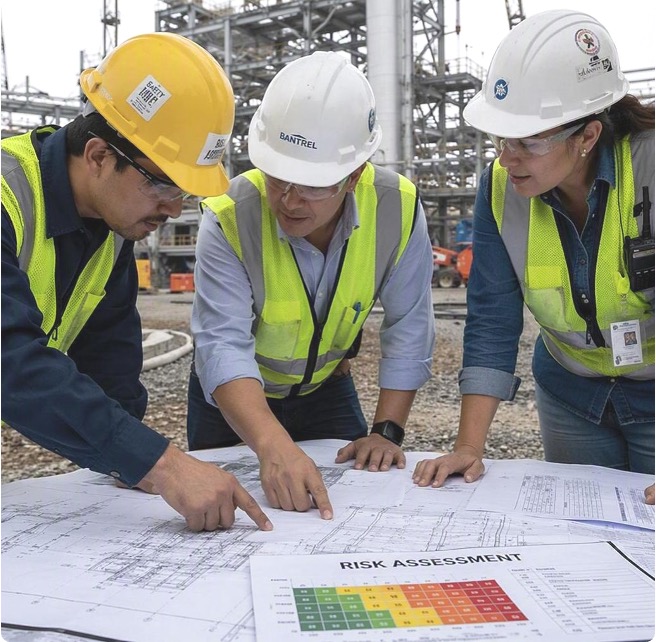
Capital Projects & Claims Defense
Protecting megaproject budgets and defending rigorously against claims.
Why It Matters
Capital projects are where value goes to leak. Public oversight records — including U.S. GAO reviews of major acquisitions — show the majority of large programs overrun budget and schedule, and a high share end in claims or disputes. Disciplined pre-construction controls and fact-based claims defense protect the investment thesis.
What We Do
- Strengthen pre-construction scope, estimates and controls.
- Build claims-ready documentation and audit trails.
- Defend and resolve disputes with fact-based analytics.

Risk-Based Scope Framing
Framing scope to contain exposure before commitments are locked in.
Why It Matters
Almost all revenue is governed by contracts, yet most agreements lack basic performance and risk terms — and weak contracting quietly erodes a meaningful share of revenue. Framing scope and risk up front, before signature, is where the cheapest and largest value is preserved.
What We Do
- Pressure-test scope, assumptions and risk allocation pre-signature.
- Engineer performance terms, incentives and off-ramps.
- Align scope to value-at-risk and negotiation strategy.
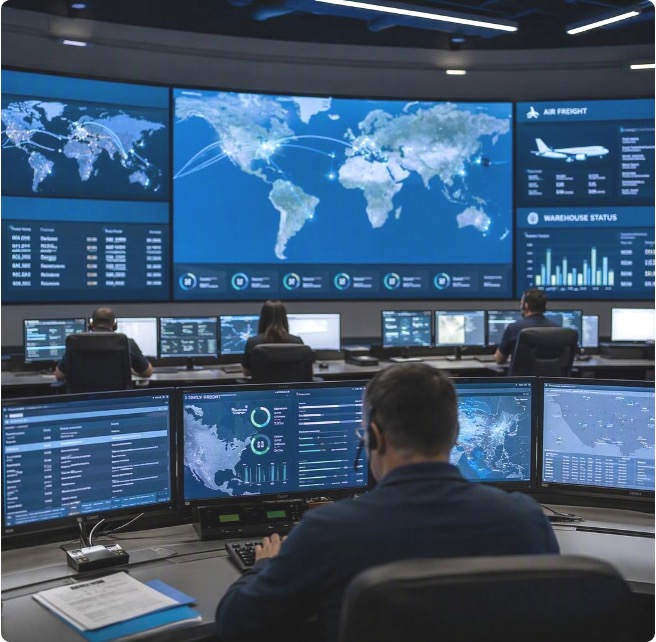
Supply Chain Control Tower & Resilience
Real-time visibility and rapid, coordinated disruption response.
Why It Matters
Disruption is now constant and costly, but resilient operators consistently outperform through the cycle. Continuity research shows that real-time visibility and rehearsed response cut exception-handling effort dramatically and protect service and margin — turning firefighting into proactive, coordinated action.
What We Do
- Stand up end-to-end visibility and alerting.
- Define playbooks for rapid, cross-functional response.
- Build multi-sourcing and buffers around critical nodes.
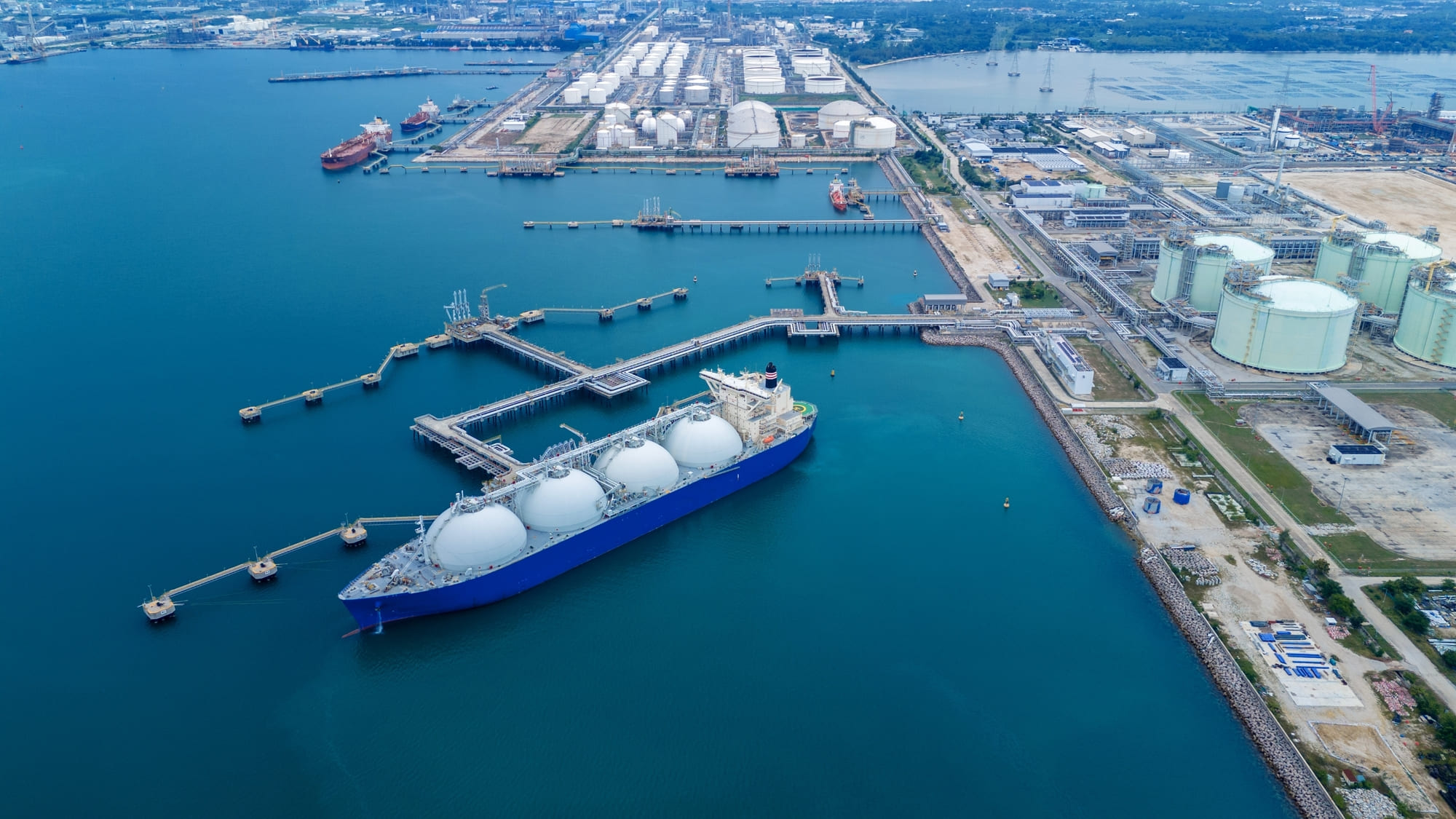
Contract Performance & Review Readiness
Keeping agreements audit-ready and supplier obligations enforced.
Why It Matters
The real value is extracted after signature. Independent benchmarks put post-signature leakage at roughly 5–15% of contract value, while best-in-class organizations bring the large majority of addressable spend under negotiated terms. Active obligation tracking and review readiness keep negotiated value from quietly draining away.
What We Do
- Track obligations, milestones and entitlements post-signature.
- Monitor compliance and performance against terms.
- Keep documentation continuously audit- and review-ready.

Value Leakage & Financial Audits
Recovering lost spend through systematic leakage and recovery audits.
Why It Matters
Even strong programs leak. Most teams are unaware how much they pay above contracted terms, and AI is now used to detect and recover that leakage. Systematic cost-recovery and accounts-payable audits routinely claw back hidden value — a repeatable recovery engine rather than a one-off clean-up.
What We Do
- Run AP, contract-compliance and duplicate-payment audits.
- Deploy AI to flag off-contract and overpayment leakage.
- Recover funds and fix the root-cause processes.